
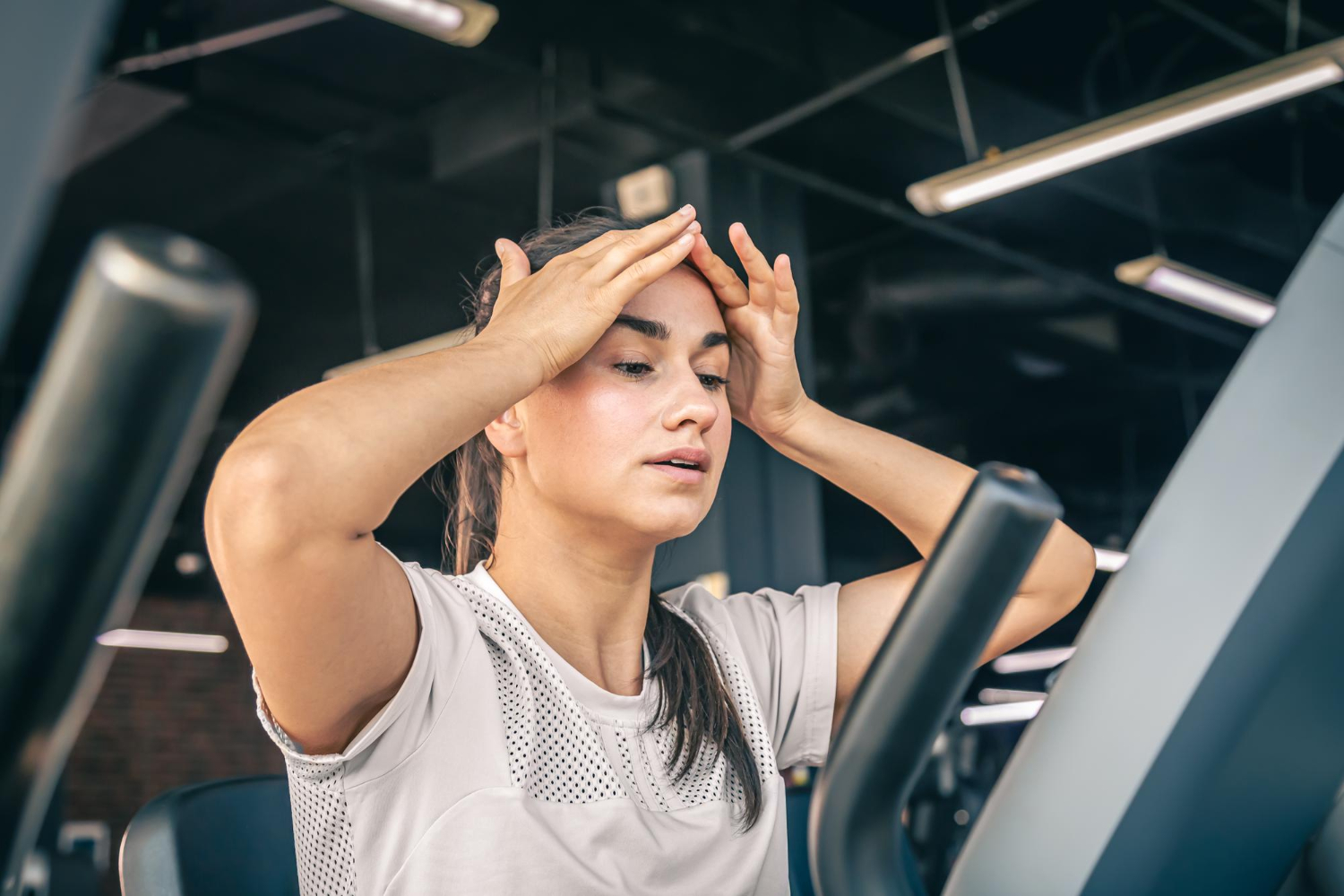
Why Stress Management Should Be Part of Every Fitness Journey
Stress often hides in the background of daily life, shaping how we feel, think, and perform without sounding any alarm. Many people pour their energy into gym sessions, strict diets, and new workout programs, yet overlook a quiet but powerful influence: stress. It affects motivation, sleep, digestion, hormones, and even how muscles recover. Understanding its role is essential for anyone working toward a healthier body or clearer mind. Before diving into the practical reasons to integrate stress care into your fitness plan, you can also learn about this through research discussing calming lifestyle trends like cozymaxxing that boost emotional wellness. Stress management isn’t simply a bonus—it’s a core link between consistent effort and actual progress. Without balancing emotional pressure, fitness goals become harder, slower, and more discouraging than they need to be.
Stress Disrupts Hormones Essential for Progress

Stress affects the body’s hormone environment in ways that can slow fitness results. When stress rises, cortisol levels do too. While cortisol isn’t always harmful, prolonged elevation can interfere with muscle repair, reduce energy, and influence appetite. People dealing with regular mental strain often notice slower recovery after workouts, unexpected cravings, or dips in motivation. These aren’t random occurrences—they are physical responses to psychological overload. By adopting stress-calming practices such as breathing routines, journaling, or brief rest rituals, the body returns to a more balanced internal state, allowing muscles and metabolism to respond better to physical training.
Stress Lowers Motivation and Energy Levels
Even the most disciplined individuals struggle with workouts if they feel mentally overworked. Stress drains emotional and physical vitality, making the idea of exercising feel burdensome instead of inspiring. This shift affects consistency, which is one of the strongest predictors of fitness success. A stressed mind often leans toward skipping sessions, doing shorter routines, or choosing comfort habits instead of active ones. Managing stress opens room for clearer thinking, steadier drive, and more willingness to move. Something as simple as creating calming spaces at home, setting gentle routines, or practicing slow-living habits can influence energy resurfacing in a meaningful way.
Stress Interferes With Sleep, Making Recovery Harder

Quality sleep is where the body repairs muscles, stabilizes hormones, and restores overall strength. Stress, however, disrupts this deeply. Difficulty falling asleep, waking up often, or feeling drained despite long hours in bed are all signs of stress-related sleep interruptions. Without good rest, muscles can’t rebuild effectively, and workouts feel heavier than usual. Sleep also influences decision-making, which impacts food choices and workout commitment the next day. Incorporating stress relief into a daily routine—such as warm evening rituals, soothing scents, or noise-softening techniques—helps the body shift into a calmer nighttime state. These small habits create measurable improvements in fitness recovery.
Stress Makes Emotional Eating More Common
Stress naturally pulls many people toward food for comfort. This response is rooted in biology, as the brain seeks quick relief through high-sugar or high-fat foods. While occasional indulgence is normal, chronic emotional eating can interrupt calorie goals, nutrient balance, and workout rewards. Managing stress strengthens emotional steadiness and makes mindful eating easier. Those who address stress early often find healthier eating habits feel less forced and more natural. Rather than battling cravings or trying to overpower emotions, stress management creates internal space for thoughtful choices and smoother nutrition habits.
Stress Reduces Mental Clarity During Workouts

Clear focus is important for safe and effective training. Stress can scatter thinking, disrupt concentration, and make exercises feel harder than they are. It also increases the risk of rushing movements or losing proper form, which may lead to injuries or setbacks. A calmer mind allows individuals to fully engage in each workout, understand their body’s cues, and practice intentional movement. Stress-reducing techniques—light meditation, sensory calming, soft lighting, or unplugging from digital noise—can turn workouts from rushed routines into more connected experiences.
Stress management is essential for anyone committed to a healthier lifestyle. It influences hormones, energy, sleep, appetite, and …
Learn More
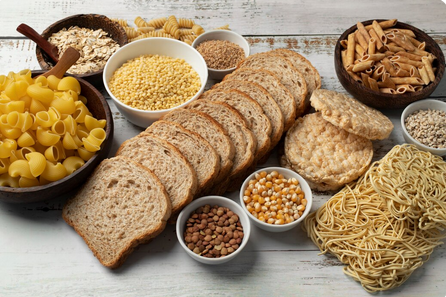 Think of whole foods as fuel your body knows how to use without confusion. Fresh fruits, vegetables, lean proteins, and whole grains deliver steady energy while keeping cravings in check. Processed snacks, on the other hand, usually leave you hungrier and sluggish. A plate full of colors will always beat a wrapper full of additives. Making this a daily habit doesn’t mean perfection—it’s about frequency. Choosing oats instead of sugary cereal most mornings can shift your metabolism in the right direction. Swapping chips for roasted chickpeas is another easy win. Over time, these swaps build a foundation that supports sustainable weight loss.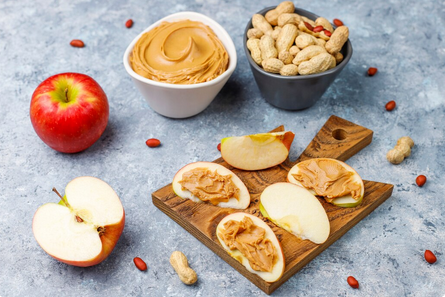
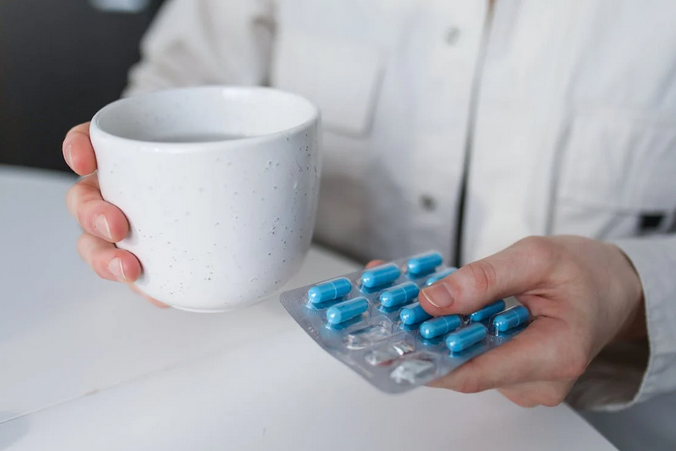

 Before you make any significant changes to your eating habits, it’s crucial to consult with a healthcare professional. They can assess your individual health needs and determine if the one-meal-a-day approach is suitable for you. A healthcare professional will consider various factors such as your current weight, medical history, existing conditions, and overall dietary requirements. They may also conduct tests or examinations to ensure that fasting won’t have any adverse effects on your health. Remember that everyone’s body is unique, and what works for one person might not work for another.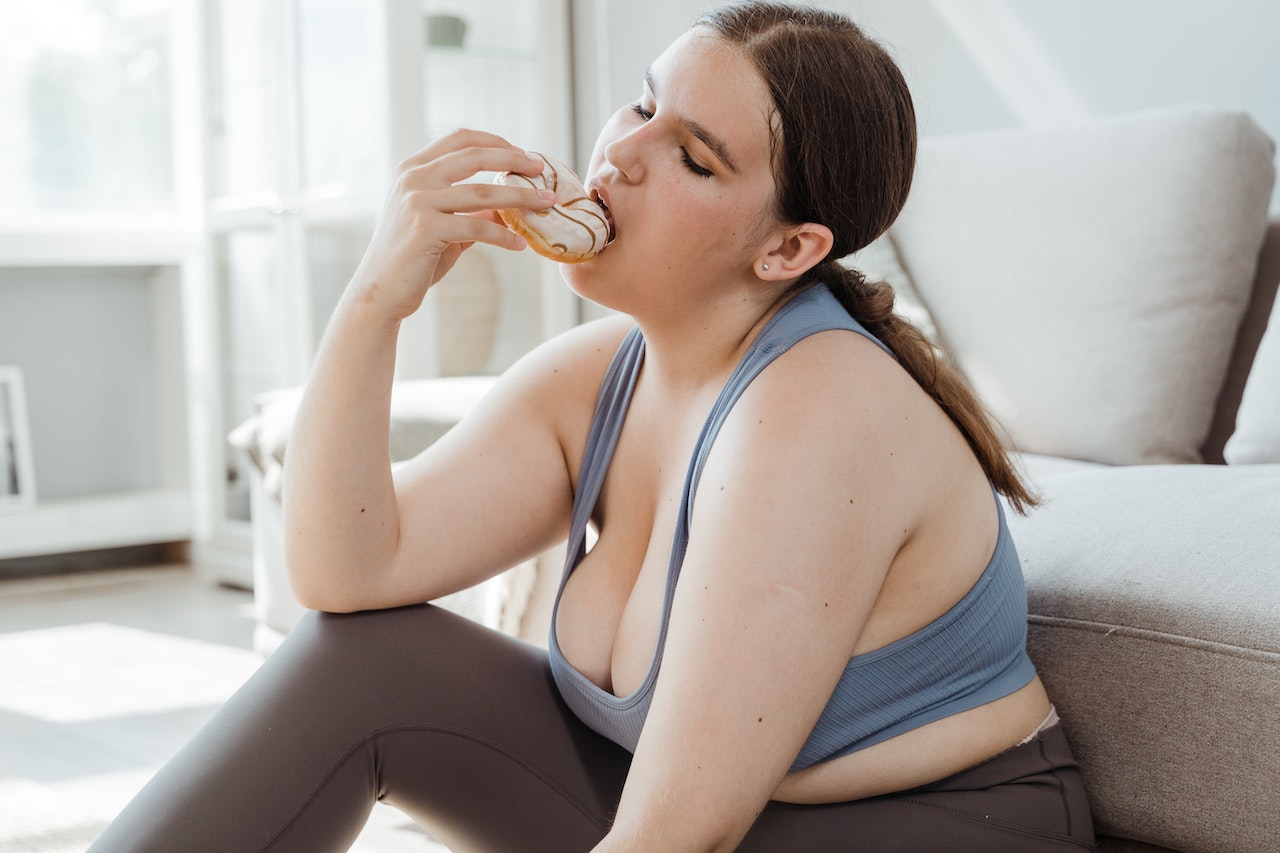
 Hunger and satisfaction levels play a crucial role when considering the one meal-a-day (OMAD) approach. It’s important to listen to your body’s signals and understand how it responds to this


 One of the first signs of vitamin D deficiency is bone pain. This is because vitamin D is essential for calcium absorption and bone health. If you are suffering from bone pain, be sure to get your vitamin D levels checked by a doctor. You can also increase your vitamin D intake by spending more time in the sun or supplementing. Aside from that, you should also eat calcium-rich foods, such as dairy products, leafy greens, and nuts.
 Mouth ulcers are another sign that you may be deficient in nutrients. They are usually caused by a lack of vitamin B12, iron, or folate. Iron is essential for carrying oxygen in your blood, while folate helps your body produce new cells. If deficient in either of these nutrients, you may experience mouth ulcers, fatigue, shortness of breath, and pale skin. The best way to treat a deficiency is to take supplements or eat foods rich in nutrients and vitamin B12, such as leafy greens, raspberries, and fortified cereals.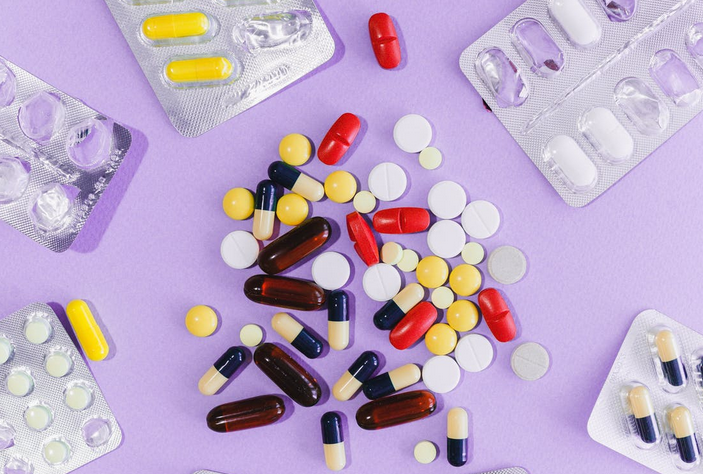
 Still, those two factors need to be considered, along with drug interaction. That’s right, the medications you’re currently taking can affect how your body processes a new prescription. Your doctor needs to know what other medications you’re on before prescribing anything new. For example, if you’re currently taking a blood thinner, your doctor will need to be very careful before prescribing anything else that could thin your blood even further.
 Many women and men are ideal candidates for this procedure based on their health. They must disclose their entire medical history to the plastic surgeon. He cannot properly evaluate them if they do not disclose their health issues. If something goes wrong, they cannot be blamed for it. Even if they have health problems that prevent them from undergoing plastic surgery, they will want to stay alive rather than be an augmented corpse.
 The amount of time needed to be away from work and other obligations, along with restrictions on activities, will be determined by the degree of practice. Not to mention the time needed to perform the surgery, the type of anesthesia used, and the length of stay in the hospital. Sometimes you may need to undergo more than one procedure to achieve the desired benefits. They must follow their mind-blowing instructions.
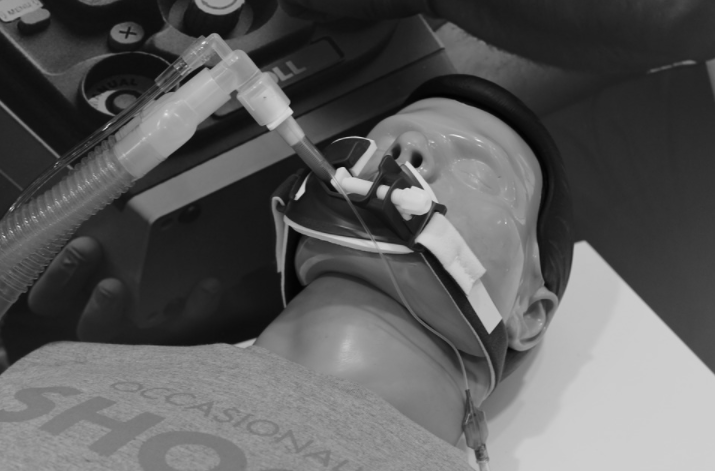
 In the immersive version, people alone or together with technologically advanced mannequins representing abnormal and normal human bodies can be interactive setups in which aspirational and non-emergent scenarios are performed to provide protected exercise arenas for students without risk to patients or perhaps the potential for psychological injury to students in a mistake were created to some people. Nonetheless, the normal drawback of electronic simulation of not just leaving practical instruction has become a big advantage in a coronavirus round because virtual simulation can fill the void in health education when medical campuses have closed.

 Strength training is the number one way to get your body in shape so you can get stronger and jump higher. If you’d love to dunk a basketball but don’t possess the faculties to do so, a fantastic strength program might be all you need to get to the top. However, there are a few different things you can do to maximize your vertical jump. Using the Plyometric technique is a great way to improve your vertical jump.

 This diet program isn’t appropriate for everybody. Please consult with your health care provider before contemplating this eating plan. Below are a few other downsides. Carbohydrates tend to be delicious. To remain in ketosis, you must severely restrict the number of carbs that you consume. Not everybody likes the concept of ingesting or the flavor of fat.
 Suppose you reside in a country where marijuana is currently legal off. The residents of several different countries are probably looking at you now with a reasonable share of jealousy. You are living the green-tinged fantasy. Now that you are among the lucky ones, where would you mind? In a legal condition, the location you are likely to need to check into is called a dispensary. Moving to an internet dispensary like Zamnesia will simplify getting the best goods and the cheapest costs. That is fancy words apart, a marijuana shop. They will have a massive array of bud products offered and ought to have the ability to provide nearly anything you want. You may be amazed to understand that there’s one in your neighborhood.
 Were you feeling somewhat too embarrassed or just a bit too lazy to go into the dispensary yourself? You are in luck because there’s another choice available for you and there’s excellent info on this page again. Is not the future mad? These delivery solutions will vary in their characteristics, costs, and requirements. Many function off smartphone programs or sites. Others you will want to call and purchase precisely what you would like. Many delivery providers can bring quite a few goods to your door and you may also store them in the home, searching through the various available possibilities. There is no more convenient way to find marijuana on your hands than through shipping, and it is currently a legal chance at your address and zip code.
 Many who are new to bud believe edibles could be the simplest way to enter marijuana. This is most likely not a fantastic idea. Many first-time marijuana users do not’ realize there is an edible high is sometimes not the same encounter as smoking just a small bit of marijuana. If you consume an edible, you are digesting the bud via your gut rather than your lungs. This may create more of your human body higher, and it may feel more powerful or more difficult to handle than the high you would encounter by merely taking a few puffs in a joint, for instance. And, of course, getting high from edibles could be a possibly risky encounter. It may take a great deal more time to feel the item’s effect, which usually contributes first-timers to consume more than they initially expected. Then it all strikes at once you and find somebody who has gotten far too large for their very first time at the rodeo.…
 Insufficient blood circulation in men can lead to erectile dysfunction. Being fit can improve sexual performance and relieve many symptoms of erectile dysfunction. You will also notice an increase in endurance, and exercise can increase testosterone levels. Obese men are more prone to cardiovascular disease, diabetes, and higher cholesterol levels. Men who lose excess weight may also experience increased self-esteem and mental well-being.
 Men who eat a lot of fruit, berries, nuts, fish, and olive oil along with physical activity, show a marked improvement in erectile dysfunction. Foods like these are enriched with strong vitamins and minerals that can help men regain normal sexual performance. Some common clinical treatments for erectile dysfunction are prescription drugs that aim to increase blood flow in men.
 One way to lower blood pressure for both the individual and the puppy is to pet them. A recent study conducted at the University of Missouri found that “after a round of petting, both the individual and the dog needed a 10 percent reduction in blood pressure. Whether it’s a pet dog or cat or a farm and exposed to large creatures, it is less likely to develop asthma and allergies. Babies who grow up in a home with a puppy are much less likely to get common household pollutants.


 The objective of public
  Vaccines are incredibly effective at preventing illness, but they do not work all of the time. But for reasons which aren’t fully understood, occasionally, a child won’t become wholly immunized against a disease after getting a vaccine. Kids in whom the vaccine is 100% successful protect those fully vaccinated, lessening everybody’s likelihood of vulnerability to the illness. Even in cases in which a vaccine hasn’t given your child 100 percent immunity.

 Asthmatics can suffer from dust in one place, along with an air purifier with the ability to remove a large number of these dust particles in the area, reducing the risk of an unwanted asthma attack. Therefore, it helps to reduce the risk of asthma for people who had it.
 Fruits and vegetables are good sources of minerals and vitamins. Fruits and vegetables can also be low in carbs and rich in
  Lean meats, fish and poultry, low-fat dairy items, and vegetables are the best wellsprings of sustenance. Yet, tune in and select less fat decisions, similar to skim milk instead of whole milk and skinless chicken bosoms instead of roasted chicken burgers. Fish is another excellent decision to substitute high-fat meats. Different sources incorporate flax seeds, seeds, soybeans, and canola oil. Vegetables (beans, lentils, and peas) are likewise unique protein sources, containing less fat and no cholesterol. Hence they’re incredible substitutes for meat. By supplanting creature proteins utilizing plant proteins, you will bring down your cholesterol and fat utilization and increment your fiber utilization.

 For the standard gym user, this means a person with a good knowledge of functional movements, i.e., what is required of the body in normal life and performs them easily in a win-win situation. Normally, in tactical fitness, faith in adrenaline and breathing is involved, because when you are in a case where you are in trouble or nervous, like a fireman entering a building to save a person’s life, or when someone is trying to hurt you personally, you use both physiological and mental training. This exercise allows you to think and prepare for the unfolding scenarios so that you are not overwhelmed in the moment. Activities that fit the tactical training philosophy are common in Crossfit workouts: things like box jumps and pull-ups. There is also a lot of
  When you add tactical fitness training, you are forced to take advantage of every component of a wonderful exercise program. A tactical athlete should be useful in speed, strength, endurance, strength, power, agility, flexibility, and freedom. It dramatically increases your skill, which means you can recover and make decisions in a split second when you jump on something.
 Getting in shape is not easy, and it can be even more difficult. It is quite common to find people who achieve their training goals and then immediately leave with their new and healthier lifestyle, resulting in putting into practice all the progress they have worked so hard for. Try some of these strategies to maintain your fitness level with little work! When your body is fit, they will feel and look much better. But most importantly, it will keep you healthier.
 Strengthen bone health will grow more successfully during physical activity. It can help prevent osteoporosis, a condition in which bones lose density and become brittle and porous. With these health benefits, it is worth considering participating in sports and other physical activities today. Drinking water before a meal is essential.